
Design & Accessibility
Making Your Home Accessible Without Compromise
Beautiful design and safety go hand in hand. Discover practical modifications that enhance independence while keeping your spaces stylish.
Why Accessibility Matters Now
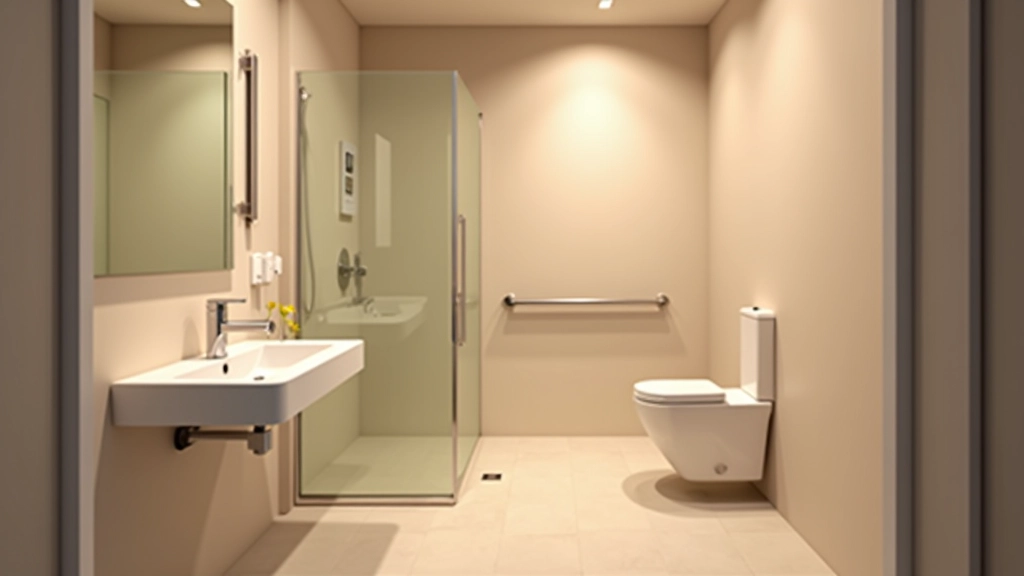
Most of us don't think about home modifications until we need them. But here's the truth — the best time to plan is before a fall, mobility change, or vision adjustment becomes a crisis. We're not talking about clinical equipment that screams "medical." We're talking about thoughtful design choices that make your home work better for you.
The homes that age best are the ones designed with flexibility in mind from the start. Whether you're 45 or 75, making strategic changes now means you'll stay independent longer, feel more confident moving around your space, and honestly? Your home will look better too.
Bathrooms: Where Safety Meets Luxury
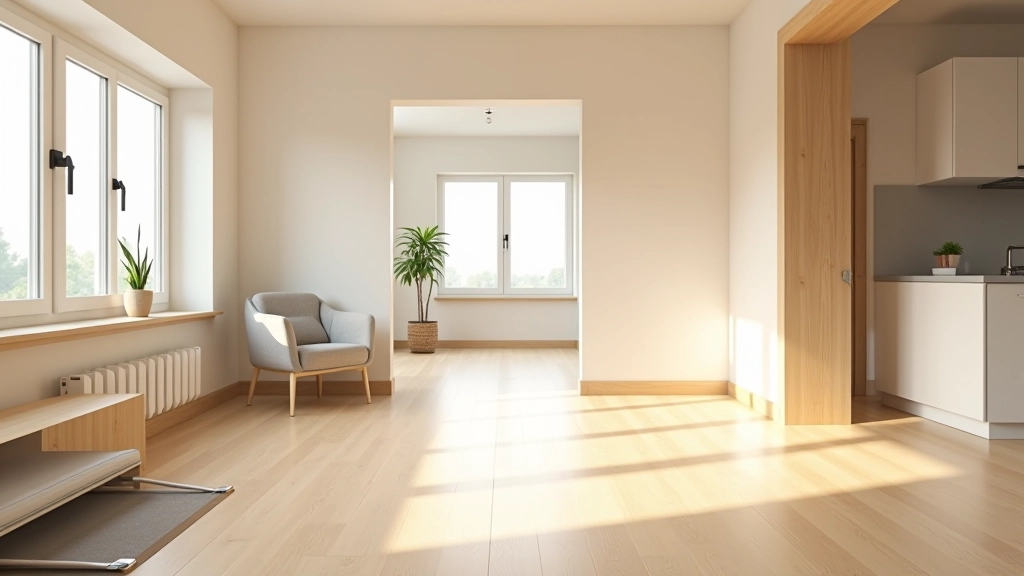
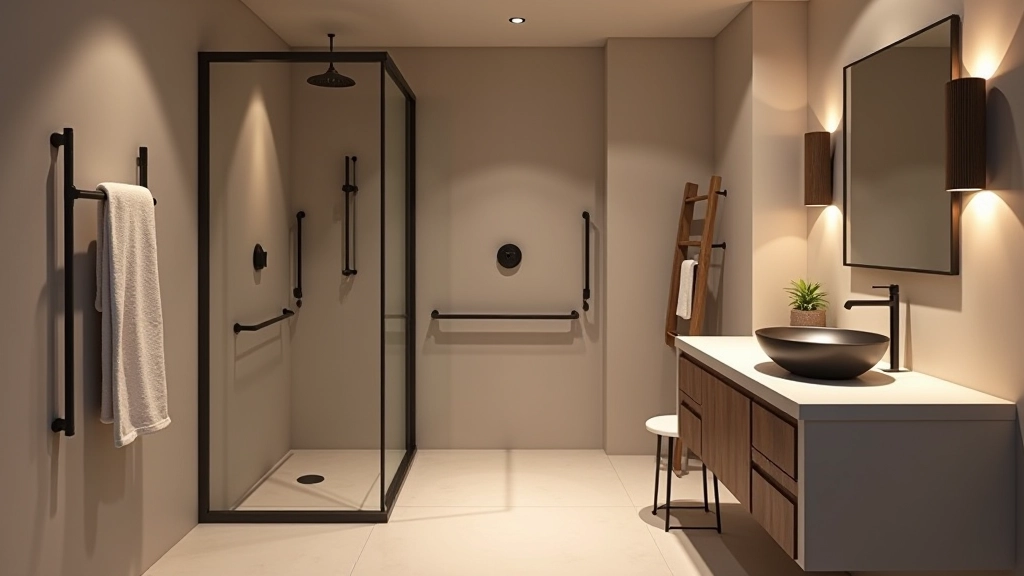
The bathroom is where accessibility matters most. Falls happen here more than anywhere else in the home, but that doesn't mean settling for cold, institutional-looking grab bars. Modern bathroom design has evolved completely.
Grab bars now come in brushed nickel, matte black, and brass finishes that look intentional and stylish. Install them at 33-36 inches high (standard height), but don't just stop at the obvious spots. You'll want them beside the toilet, in the shower at entry and exit points, and alongside the bathtub. Consider 18-inch bars for leverage and 24-36 inch bars for stability along longer runs.
Non-slip flooring doesn't have to look industrial. Textured ceramic tile, natural stone with a honed finish, or luxury vinyl with grip patterns all provide safety without sacrificing aesthetics. Pair these with a curbless shower (or low 4-6 inch threshold) and you've created something that's both beautiful and practical. A heated floor mat adds comfort while improving traction.
Pro tip: Install a handheld showerhead on a sliding rail system. It gives you flexibility for different heights and mobility needs, and honestly? Everyone loves having one.
The Kitchen: Function Meets Beauty
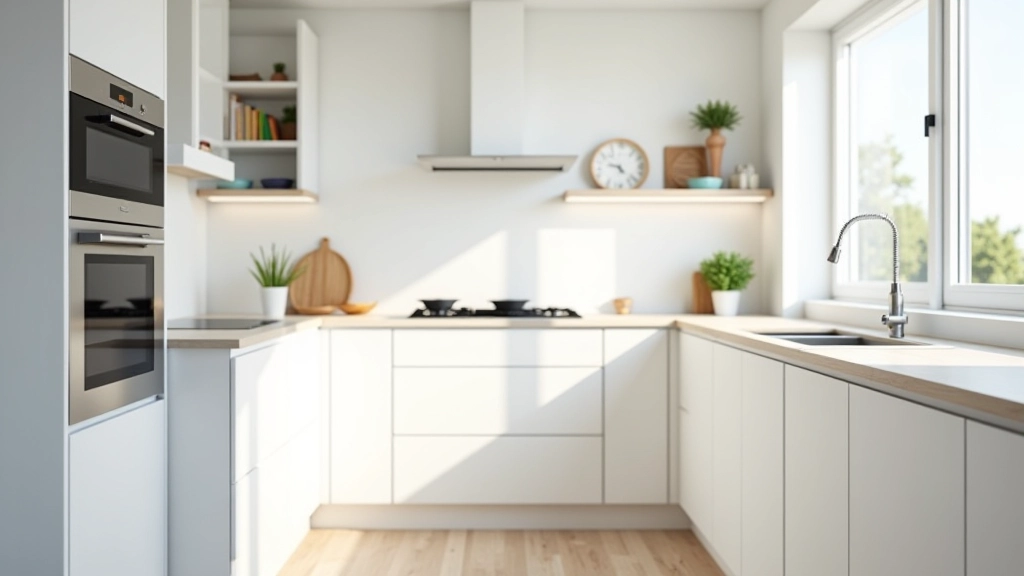
Kitchen design has quietly become one of the most innovative areas in accessible home planning. The best part? These changes actually make cooking easier for everyone — not just people managing mobility changes.
Consider a lowered section of countertop (30-32 inches instead of standard 36) with open space underneath. This accommodates different heights, wheelchair access if needed, and honestly just feels more flexible. Pair this with pull-out shelves in your cabinets so you're not reaching to the back or up high for everyday items. Everything you use regularly should be between hip and eye level.
Appliance handles matter more than you'd think. Lever-style handles beat knobs and buttons — they're easier to grip and work even if your hands are full or your dexterity isn't what it used to be. Side-by-side refrigerators with ice/water dispensers on the door reduce reaching. Undercounter microwaves positioned at 36-42 inches eliminate reaching above eye level.
Lighting in kitchens often gets overlooked. Task lighting under cabinets and above counters reduces strain and prevents accidents. It's also just nicer for actually seeing what you're cooking.
Entryways & Transitions: First Impressions Matter
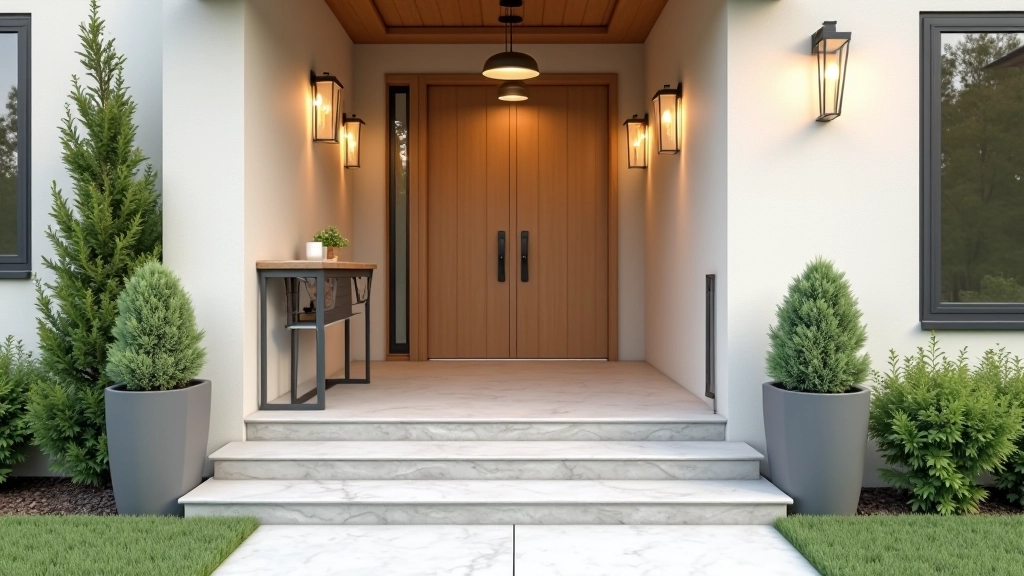
Your entryway is where accessibility often gets tested first. A single step can become a genuine barrier, but you don't need a ramp that screams "this is accessible." You need thoughtful design.
If you have a single step, a ramped entry is the obvious solution, but the execution is everything. A 1:12 slope ratio (for every inch of height, you need 12 inches of ramp length) keeps things manageable. A 6-inch step requires 6 feet of ramp. These can be beautifully integrated with landscaping, composite materials that match your siding, or even incorporated into deck designs.
Doorways should be at least 32 inches wide (36 is better). Lever handles beat traditional knobs, and automatic door openers have come a long way — they're subtle now, not obtrusive. Consider the floor material too. Transitions between tile, wood, and other surfaces should be smooth, not a lip that catches a toe or wheel.
Smart thinking: Wide entryways and good lighting make your home feel more welcoming to everyone — not just those managing mobility challenges.
Living Spaces: Room to Move, Comfort to Stay
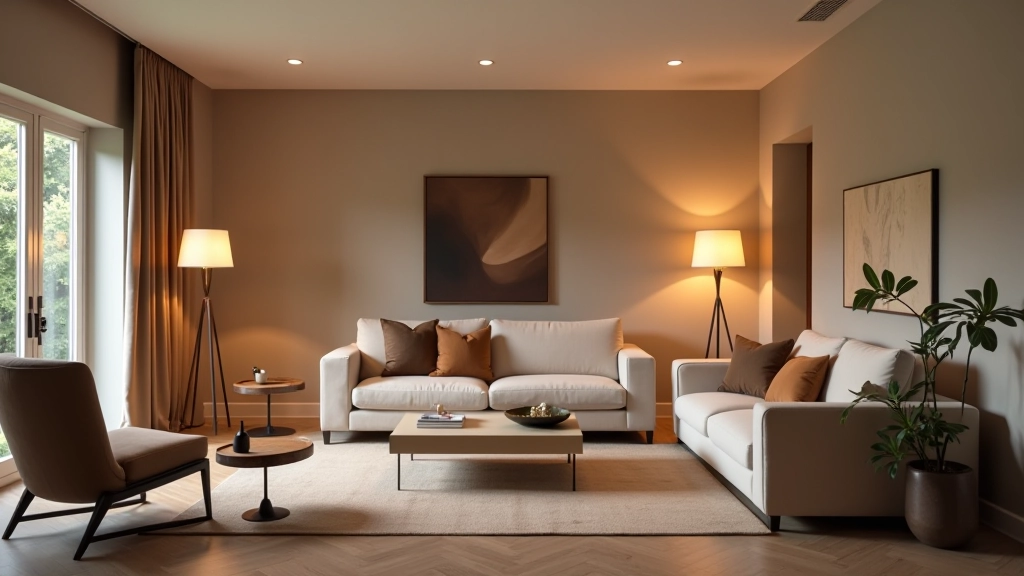
Your bedroom and living areas should feel like sanctuary, not obstacle courses. The magic number here is 36 inches — that's the minimum hallway width that lets you pass without feeling cramped. If you're managing a walker, you'll want closer to 48 inches. This doesn't mean your home needs to feel institutional. It means furniture placement that makes sense.
Lighting deserves its own paragraph because it's genuinely transformative. Layered lighting — overhead fixtures, task lamps, and accent lighting — not only makes your space safer, it makes it look intentional and beautiful. Motion-sensor lights in hallways and bathrooms are practical without being obvious. Dimmer switches give you flexibility and atmosphere.
Flooring transitions matter. That jump from hardwood to carpet can be a tripping hazard. A beveled threshold or continuous flooring throughout a space eliminates the risk. If you love carpet, consider low-pile options that are easier to navigate with mobility aids but still feel soft and residential.
Furniture height is worth thinking through. Standard sofas and chairs should be 17-19 inches high — easier to get in and out of. Arm heights of 22-26 inches provide better leverage for standing. These aren't medical specifications; they're just furniture that works better for most bodies.
Smart Home Technology: Control Without Complexity
You don't need a tech degree to benefit from smart home features. Voice-controlled lights, thermostats, and door locks are genuinely life-changing. They're also surprisingly affordable now.
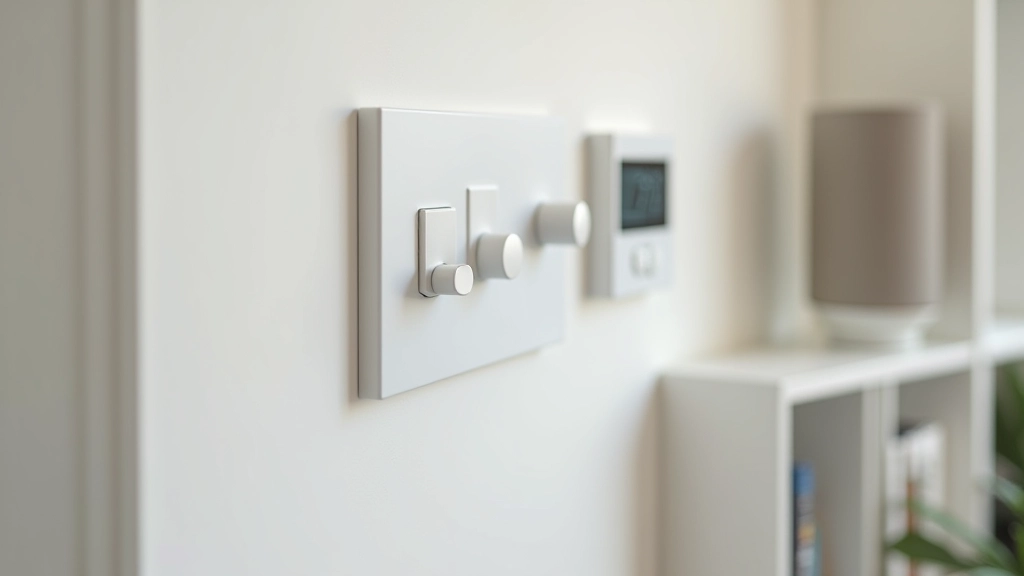
Light switches should be mounted at 44-48 inches from the floor — reachable from a seated position and accessible for everyone. Outlet placement matters too. A few outlets at 18 inches and others at standard 12 inches give flexibility. Smart outlets that you control from your phone eliminate the need to bend down or reach.
Thermostats at eye level (around 48-60 inches) are easier to see and adjust. A smart thermostat learns your preferences and adjusts automatically, which is nice whether you're managing arthritis or just want to save energy.
Door locks with keypad entry or app control eliminate fumbling with keys. Video doorbells let you see who's there without opening the door. These aren't luxury additions — they're practical solutions that improve safety and independence.
"When we redid our bathroom with grab bars and a walk-in shower, we weren't thinking about the future. We were just tired of worrying every time one of us took a shower. The bathroom ended up looking better than before, and that's what surprised us most."
— Patricia & David, homeowners since 1998
Getting Started: Prioritize What Matters Most
You don't need to renovate everything at once. Start with the areas where you spend the most time or where you feel least confident.
01
Assess Your Needs
Walk through your home and notice where you feel uncertain. Narrow stairs? Slippery shower? Hard-to-reach cabinets? These are your priority areas.
02
Research Options
Look for products and designs that match your style. Modern accessible design doesn't look "medical." There are beautiful options in every price range.
03
Start Small
Install grab bars, improve lighting, or add a shower chair first. These changes are relatively inexpensive and you'll feel the difference immediately.
04
Plan Larger Projects
Kitchen and bathroom renovations take longer and cost more, but they're worth planning carefully. Consider hiring a designer who specializes in universal design.
Your Home Should Work For You
Accessibility isn't about compromise. It's about designing spaces that let you live independently, safely, and with style. Start planning your modifications today.
Learn More About Home DesignImportant Information
This article provides general information about home accessibility modifications and design principles. Building codes and accessibility requirements vary by location and may require permits or professional installation. Always consult with local building authorities before making structural changes. For specific accessibility needs related to mobility, vision, hearing, or other considerations, we recommend consulting with an occupational therapist or universal design specialist. Professional installation is recommended for modifications like ramps, bathroom renovations, and electrical work.
Related Articles