Organization Systems That Actually Stick
Simple strategies for organizing your home so everything's easy to find and use. We focus on what actually works long-term.
Why Most Organization Systems Fail
Here's the thing about organizing your home — most systems fail because they're too complicated. You spend a weekend setting everything up perfectly, and within a month it's back to chaos. We're not talking about those elaborate label makers and color-coded bins that look great in photos but drive you crazy in real life.
What actually works is simple. It's based on how you actually live, not how you think you should live. The best organization system is one you'll actually maintain. That means it needs to be easy to use every single day, flexible enough to adapt when life changes, and practical for your space and lifestyle.
In this guide, we'll walk through organization strategies that have proven to stick — not just for a few weeks, but for months and years. These aren't trendy methods or Instagram-worthy setups. They're practical, sustainable approaches that work for people in their 40s and 60s who want their homes to function better without becoming a second job.

The Four Principles of Systems That Stick
Before you start organizing anything, understand these four foundational principles. They'll guide every decision you make about storage, placement, and maintenance.
1. Everything Has a Home
Every item you keep needs a designated place. Not just a vague area — an actual spot. Your glasses go in the same drawer. Your tools live in one cabinet. Your seasonal items belong in one closet. This takes the guesswork out of cleanup and makes it quick.
2. Proximity Matters
Store things where you use them. Kitchen utensils near the stove. Medications in the bedroom. Cleaning supplies under the sink. This simple rule cuts down on clutter spread throughout your home and makes your routines faster.
3. Visible Is Better
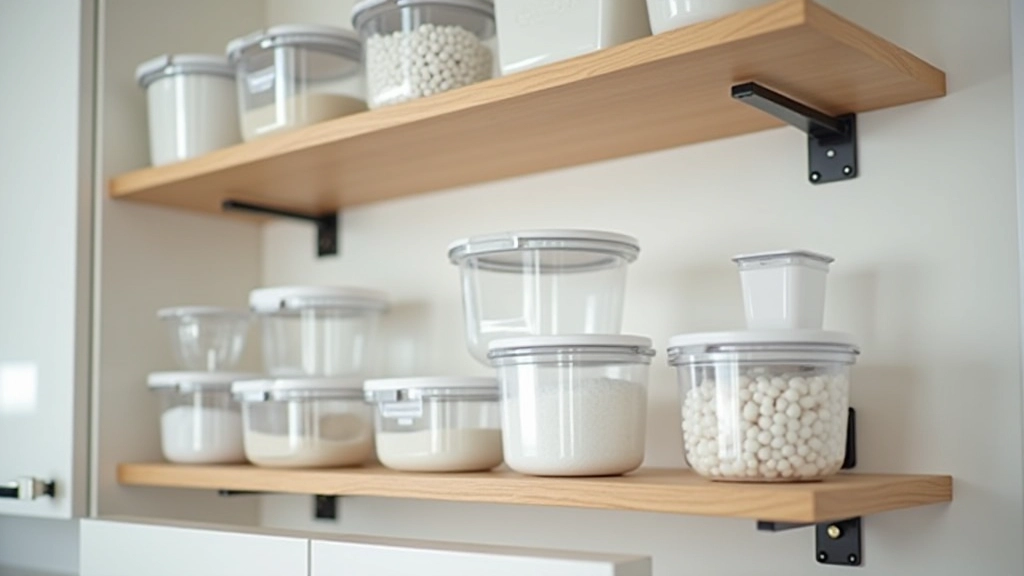
You're more likely to maintain an organization system if you can see what you have. Clear containers beat opaque ones. Open shelving beats closed cabinets for daily-use items. When things are visible, you're naturally reminded to put them back.
4. Easy to Maintain
If your system requires 15 minutes of effort every evening, you won't keep it up. The best systems let you restore order in under five minutes. You're organizing for your life, not organizing as your life's work.
Create Organization Zones in Your Home
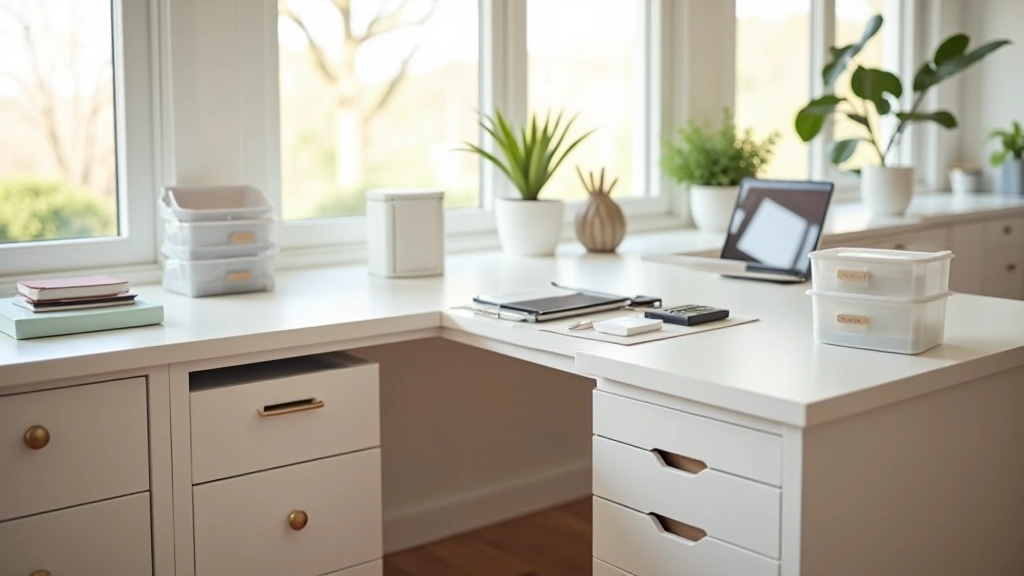
Breaking your home into specific zones makes organizing less overwhelming. You're not trying to organize everything at once — you're focusing on one area that makes sense together.
Kitchen Zone
Group by frequency of use. Daily items (glasses, everyday dishes) stay in the most accessible spots. Special occasion serving pieces go higher or deeper. Keep your most-used small appliances on the counter or in the closest cabinet. Everything else gets stored away.
Bedroom Zone
Your bedroom should support relaxation and sleep. Keep only clothes, bedding, and personal items here. Everything else creates visual noise. Use the top shelf for seasonal items you don't access often. Reserve your nightstands for only what you actually use at night.
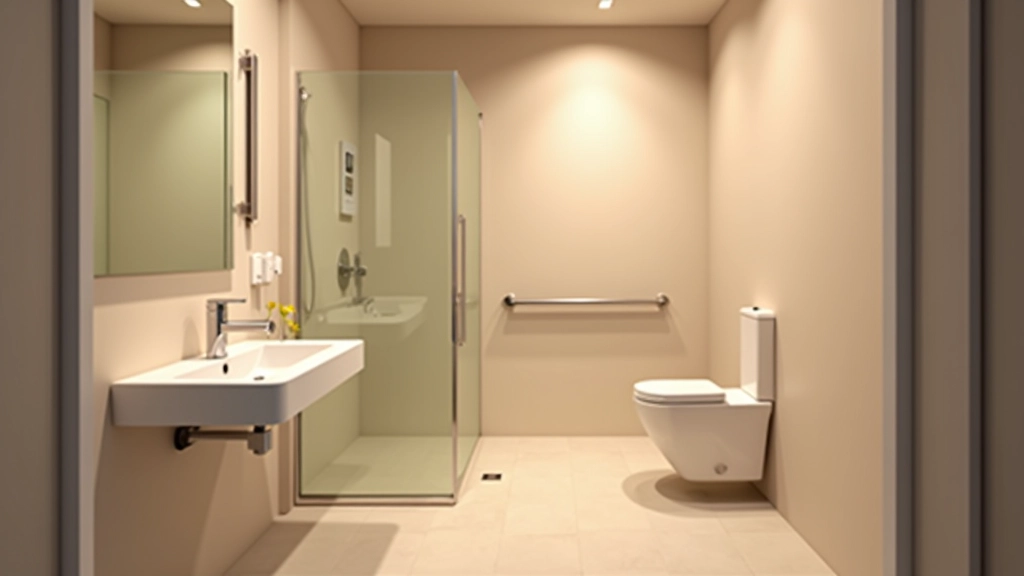
Bathroom Zone
Medicine cabinets hold medications and first aid supplies. Drawers store grooming items. Under-sink storage is for cleaning supplies and extras. Keep counter space minimal — only your daily-use items belong there. Everything else creates clutter in a small space.
Living Area Zone
This zone should feel open and comfortable. Store entertainment items in one cabinet. Books go on designated shelves. Remote controls and reading glasses belong in one small container. The key is containing items so they don't scatter across surfaces.
Utility Zone
A utility closet, basement corner, or garage section holds cleaning supplies, tools, seasonal items, and household repair materials. Label everything clearly. Use shelves and bins to maximize vertical space. Keep items off the floor for easier cleaning.
Entryway Zone
This is your home's first impression. A coat rack, shoe shelf, and small table for keys and mail keep this area functional. One small basket catches items that need to be put away elsewhere. You'll spend less time hunting for shoes and keys if they live here.
Practical Storage Solutions That Work
You don't need fancy organizing products to create a system that sticks. The best solutions are often the simplest ones. Here's what actually works for most homes.
Clear Containers Are Your Best Friend
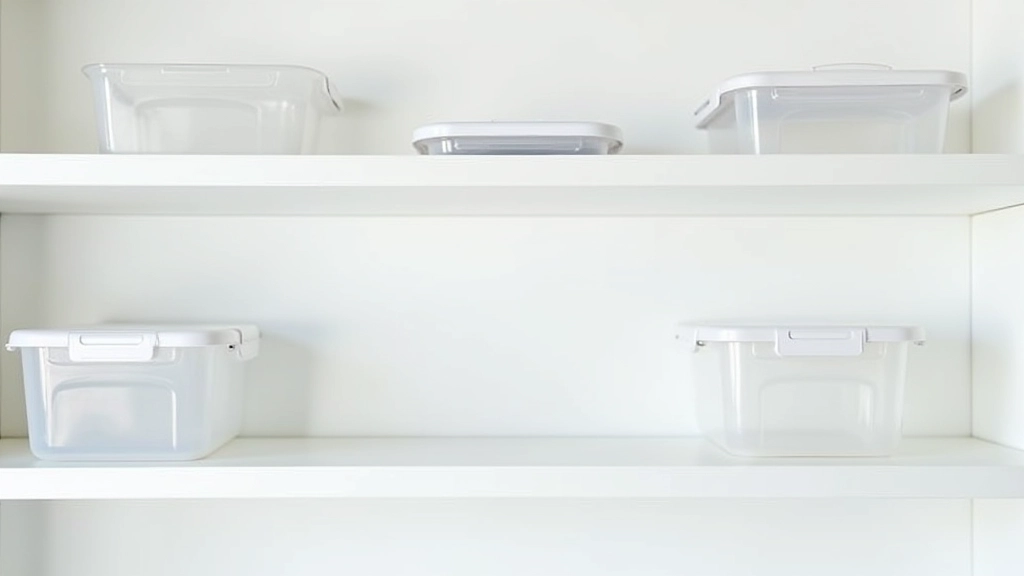
Clear plastic bins let you see what's inside without opening them. You'll know when you're running low on something. You'll remember what you stored away. They come in standard sizes that stack neatly on shelves. Label the outside with a permanent marker for quick identification. A basic set of three to four sizes covers most storage needs.
Drawer Dividers Stop the Chaos
Drawers become chaos traps without dividers. Kitchen utensil drawers, junk drawers, sock drawers — they all need sections. You can use simple plastic dividers from any store. They cost under $10 and transform a messy drawer into something organized. Everything stays in its spot because it has its own space.
Labeling Actually Matters
You don't need an expensive label maker. A permanent marker and some masking tape work fine. Labels serve two purposes. First, they tell you what's inside containers or shelves. Second, they remind household members where things belong. That second part is critical — labels are how you maintain your system without constantly reminding people.
Vertical Storage Doubles Your Space
Use your walls. Shelves, pegboards, wall-mounted cabinets, and hooks take advantage of vertical space. This is especially important in smaller homes or apartments. A simple shelf unit costs $30-50 and gives you organized storage without taking up floor space. Your feet will thank you.

The Five-Minute Daily Reset
Your organization system won't stick without maintenance. But maintenance doesn't mean spending hours organizing. A five-minute daily reset keeps everything in place. This isn't about perfection. It's about returning items to their homes before clutter accumulates.
Here's what a five-minute reset looks like. You're standing in your main living area. You're putting items back where they belong. That book goes on the shelf. Those glasses go to the kitchen. That pile of papers goes in your filing system. That's it. Five minutes, and your space is back in order. When you do this daily, you never face a massive organizing project again.
The best time for this reset is just before dinner or right before bed. Pick a time that feels natural for you. Make it a habit like brushing your teeth. Your brain stops fighting the system and starts accepting it as normal. That's when organization truly sticks — when it becomes automatic, not something you have to think about.
Monthly Review (15 Minutes)
Once a month, spend 15 minutes reviewing your system. Are certain items piling up in the wrong spots? Is something hard to access? Does a zone need adjustment? Make small tweaks before problems compound. This prevents your system from slowly drifting back into chaos.
Seasonal Purge (1-2 Hours)
Every season, spend an hour or two removing items you no longer use. Clothes that don't fit. Gadgets that broke. Books you've already read. Donate, sell, or discard them. This keeps your organized system lean and prevents accumulation. You're not organizing clutter — you're organizing only the things you actually keep.
Common Organization Mistakes to Avoid
Learning from mistakes saves you time and frustration. Here are the patterns that derail most organization attempts.
Organizing Before You Purge
This is the biggest mistake. People organize items they don't actually want or need. They buy containers for clutter. That's backwards. Purge first. Keep only things you use, love, or genuinely need. Then organize what remains. Your system will be smaller, easier to maintain, and actually useful.
Creating Systems Too Complicated
Color-coded labeling systems with multiple categories sound great until you're tired of maintaining them. The best system is one that feels effortless. If you're constantly thinking about where things go, your system is too complicated. Simplify ruthlessly.
Forgetting About Other People
If you live with family or roommates, your system needs to work for everyone. Your spouse won't remember that leftovers go in the back left of the fridge. Kids won't maintain a complex system. Make it so obvious that anyone can follow it. Involve household members in creating the system so they actually care about maintaining it.
Waiting for the Perfect Container
Don't wait for matching containers or the ideal organizing products. Start with what you have. Repurposed jars work fine. Cardboard boxes work fine. Once your system is working, upgrade containers gradually if you want. Perfection is the enemy of progress.
Start Small and Build Your System
You don't need to organize your entire home this weekend. Pick one zone. Apply these principles. Get that area working smoothly. Then move to the next zone. This gradual approach works better than trying to organize everything at once. You'll learn what works for you. You'll adjust as you go. Your system will feel natural instead of forced.
The organization systems that actually stick aren't the fanciest ones. They're the ones that fit your life, use your space efficiently, and don't require constant maintenance. They're built on simple principles, maintained with five-minute daily resets, and adjusted seasonally. That's it. That's the whole formula.
Start this week. Pick your first zone. Purge items you don't want. Create homes for everything you keep. Put it all in place. Then maintain it with a five-minute daily reset. Watch how much better your home functions when everything has a place and everything stays in its place.
Ready to Transform Your Space?
Explore more guides on creating a comfortable, organized home that works for you.
Browse More ArticlesAbout This Guide
This article provides general organization strategies and principles. Organization needs vary based on individual circumstances, home size, family composition, and lifestyle. The suggestions here are educational and meant to inspire your own approach. Everyone's situation is different, so adapt these strategies to what works for your specific needs. If you have accessibility requirements, consult with professionals who specialize in adaptive home organization and universal design.